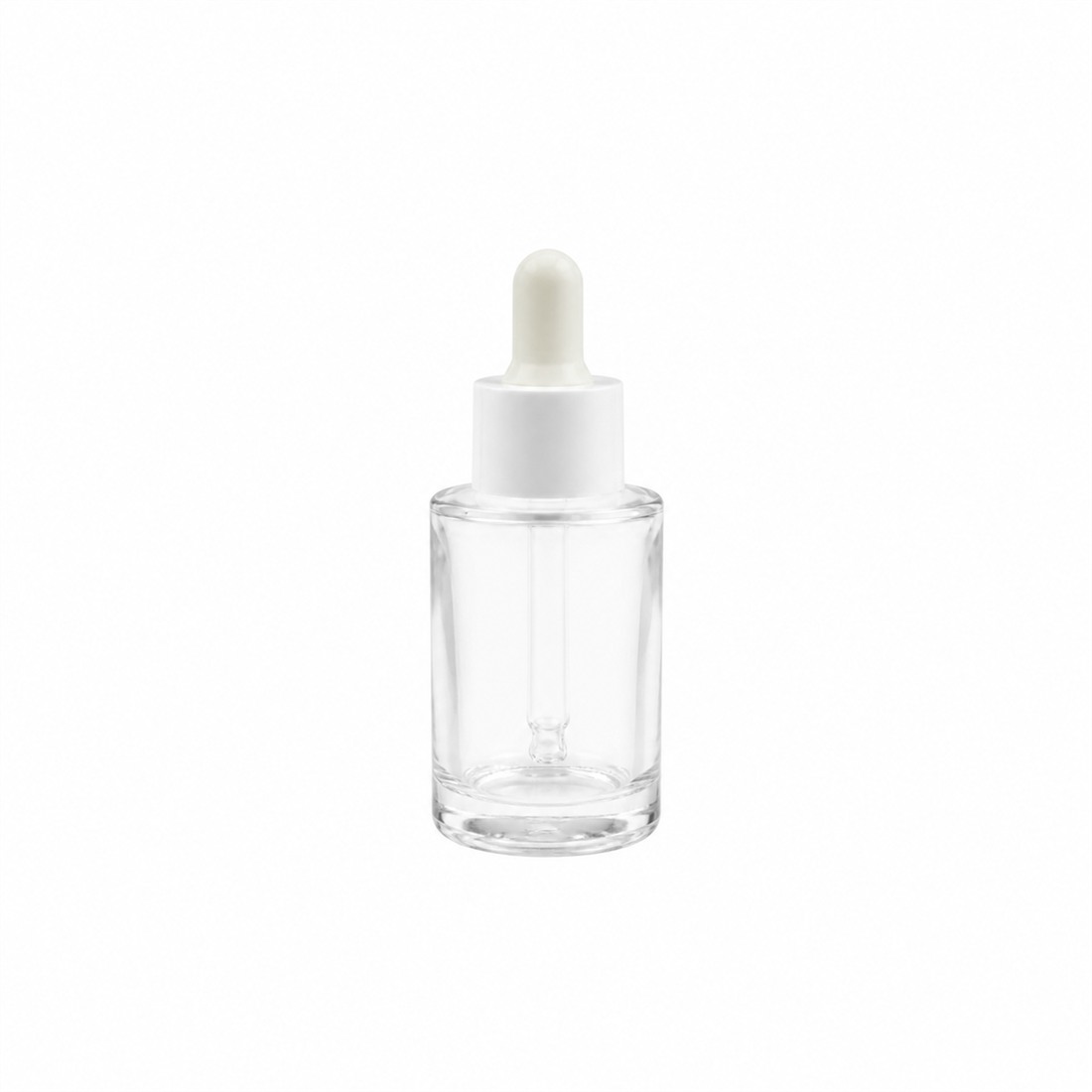
Selecting the ideal bottle for lotions, serums, creams, or emulsions is a critical decision that affects product protection, user experience, brand image, and cost. Here’s a practical comparison of the three most common materials used in cosmetic packaging.
Glass Bottles
Pros: Excellent barrier properties, premium look and feel, chemical resistance, fully recyclable.
Cons: Heavier, more fragile, higher shipping costs.
Best for: High-end skincare, face oils, premium body lotions, and brands that want a luxury positioning.
Standard Plastic (PP / PE)
Pros: Lightweight, impact-resistant, cost-effective, easy to produce in large volumes.
Cons: Lower perceived value, potential for chemical interaction with certain formulas over time.
Best for: Mass-market body lotions, hand creams, and everyday personal care products.
PETG
Pros: Crystal-clear appearance similar to glass, good chemical resistance, lighter than glass, highly impact-resistant, excellent for printing and decoration.
Cons: Slightly higher cost than standard plastics.
Best for: Mid-to-high-end serums, gels, and brands that want a glass-like look without the weight and breakage risk.
Key Selection Criteria
- Formula compatibility (pH, oils, actives)
- Desired brand positioning (luxury vs. accessible)
- Dispensing method (pump, dropper, disc-top, airless)
- Shipping and storage conditions
- Sustainability goals and recyclability requirements
The right lotion bottle protects your formula, enhances user experience, and reinforces your brand story. Matching material, design, and functionality is essential for long-term success.