Perfume is more than a fragrance — it’s a sensory experience. The moment a customer picks up a bottle, the design, weight, and finish already communicate luxury, personality, and brand value. In 2026, perfume bottle design continues to evolve toward greater sophistication, functionality, and emotional connection.
Key Trends Shaping Perfume Packaging This Year
Minimalist Geometry with Premium Texture
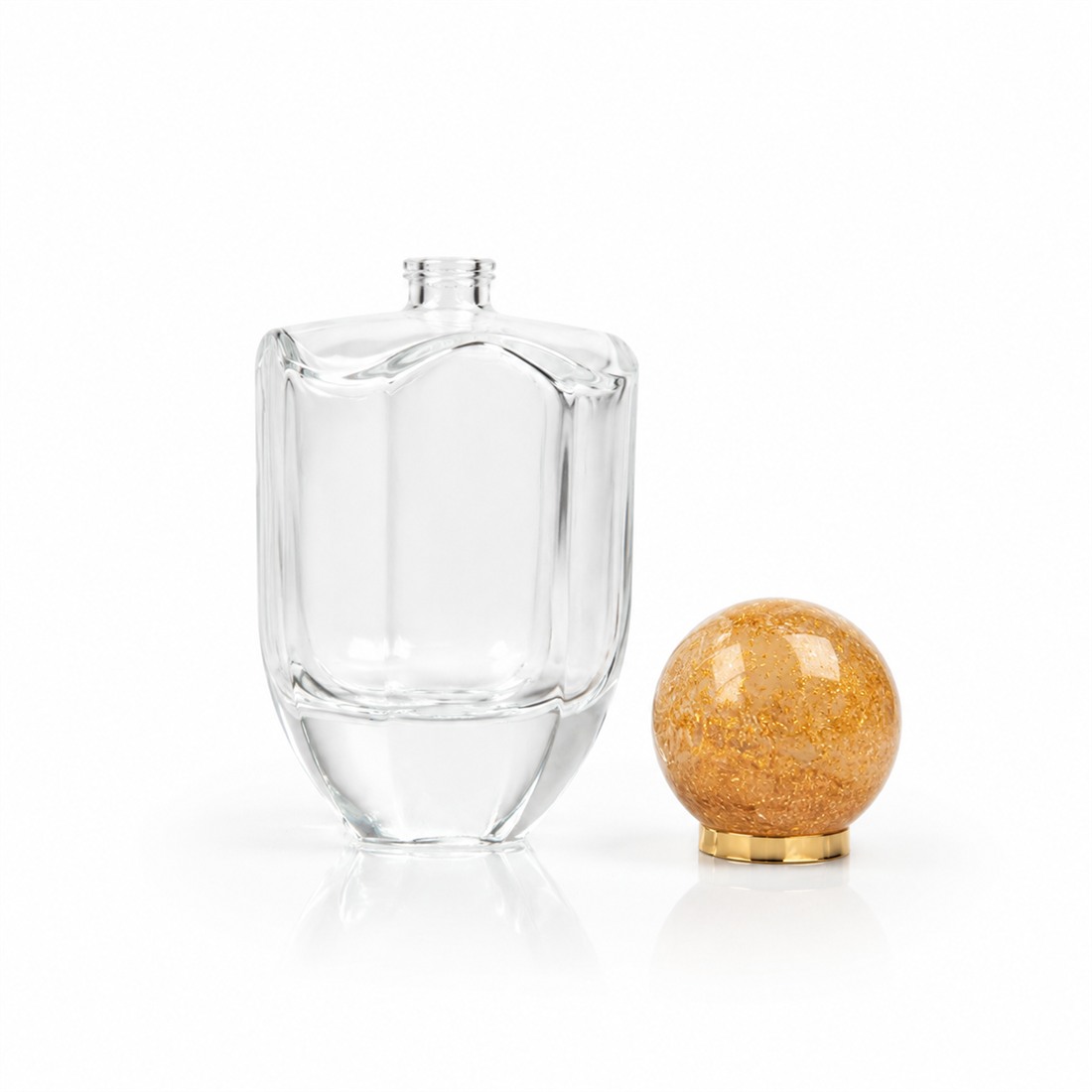
Clean lines, asymmetric cuts, matte-and-gloss contrasts, and thick-walled crystal-clear glass remain dominant in the premium segment. These elements create strong light refraction and a substantial hand-feel that instantly signals quality.
Refillable & Sustainable Systems
Brands are increasingly adopting bottles with replaceable inner cores or modular designs. This approach reduces waste while giving consumers a sense of ritual and long-term value — a powerful selling point for modern buyers.
High-Customization Finishes
Embossing, silk-screen printing, hot stamping, gradient spraying, and unique metal collars allow even smaller brands to create distinctive identities without massive minimum order quantities.
What to Look for When Selecting Perfume Bottles
- Glass clarity and wall thickness, which affect aesthetics and perceived value
- Spray pump quality and airtight sealing, critical for product longevity
- Compatibility with secondary packaging and shipping durability
- Ability to support small-batch customization and fast sampling
A well-designed perfume bottle is not just a container — it is the first physical expression of your brand. Choosing the right packaging can significantly increase perceived value and conversion rates.